DecortypeStone, Mosaic & Stucco › Cameo & Intaglio

Cameo carving

Europe tradition · 5 examples · indicative market tier: $500–5k (accessible antique & fine living craft)

Cameo () is a method of carving an object such as an engraved gem, item of jewellery or vessel. It nearly always features a raised (positive) relief image; contrast with intaglio, which has a negative image. Originally, and still in discussing historical work, cameo only referred to works where the relief image was of a contrasting colour to the background; this was achieved by carefully carving a piece of material with a flat plane where two contrasting colours met, removing all the first colour except for the image to leave a contrasting background. Wikipedia →

Types & examples
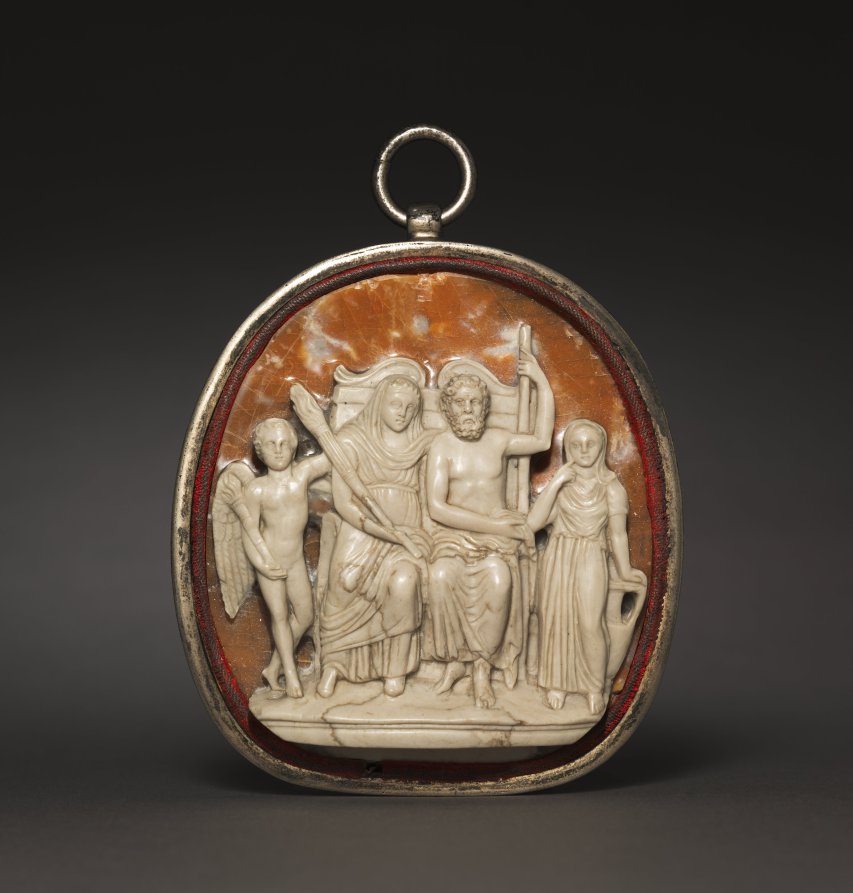
Cameo of Zeus and Hera Enthroned
Cameo of Zeus and Hera Enthroned, Late 1800s
Cleveland Museum of Art
Cameo
Cameo, Late 18th century
Art Institute of Chicago
Cameo Portraying Tiberius
Cameo Portraying Tiberius, 14-37 (cameo); 1525-1550 (mount)
Art Institute of Chicago
Cameo Portraying Emperor Claudius as Jupiter
Cameo Portraying Emperor Claudius as Jupiter, Cameo: Roman, mid-first century Mount: Italian, late 16th century
Art Institute of Chicago
1840 circa Muschelcameo August Kestner, Leihgabe der Landeshauptstadt Hannover im NLM Hann
Wikimedia Commons (Public domain)

Where to buy

1stDibsHigh-end antiques & design marketplaceBrowse listings → LiveAuctioneersAggregated live auctions worldwideBrowse listings → InvaluableAuction-house listings & price archiveBrowse listings → Christie'sMajor-auction results & upcoming salesBrowse listings → EtsyLiving artisans & vintage dealersBrowse listings → eBayBroad secondary market — vet sellers carefullyBrowse listings →

Each link opens a live, image-rich search for this craft on that marketplace. Listings rotate constantly; authenticate significant pieces independently — attribution quality varies widely outside museum collections.