Decortype › Textiles & Embroidery › Resist-Dye & Ikat
Central Asian ikat
Ikat (literally "to bind" in Malayo-Polynesian languages) is a dyeing technique from Southeast Asia used to pattern textiles that employs resist dyeing on the yarns before dyeing and weaving the fabric. In Southeast Asia, ikat weaving traditions can be divided into two general groups of related traditions. The first is found among Daic-speaking peoples (Laos, northern Vietnam, and Hainan). Wikipedia →
Types & examples
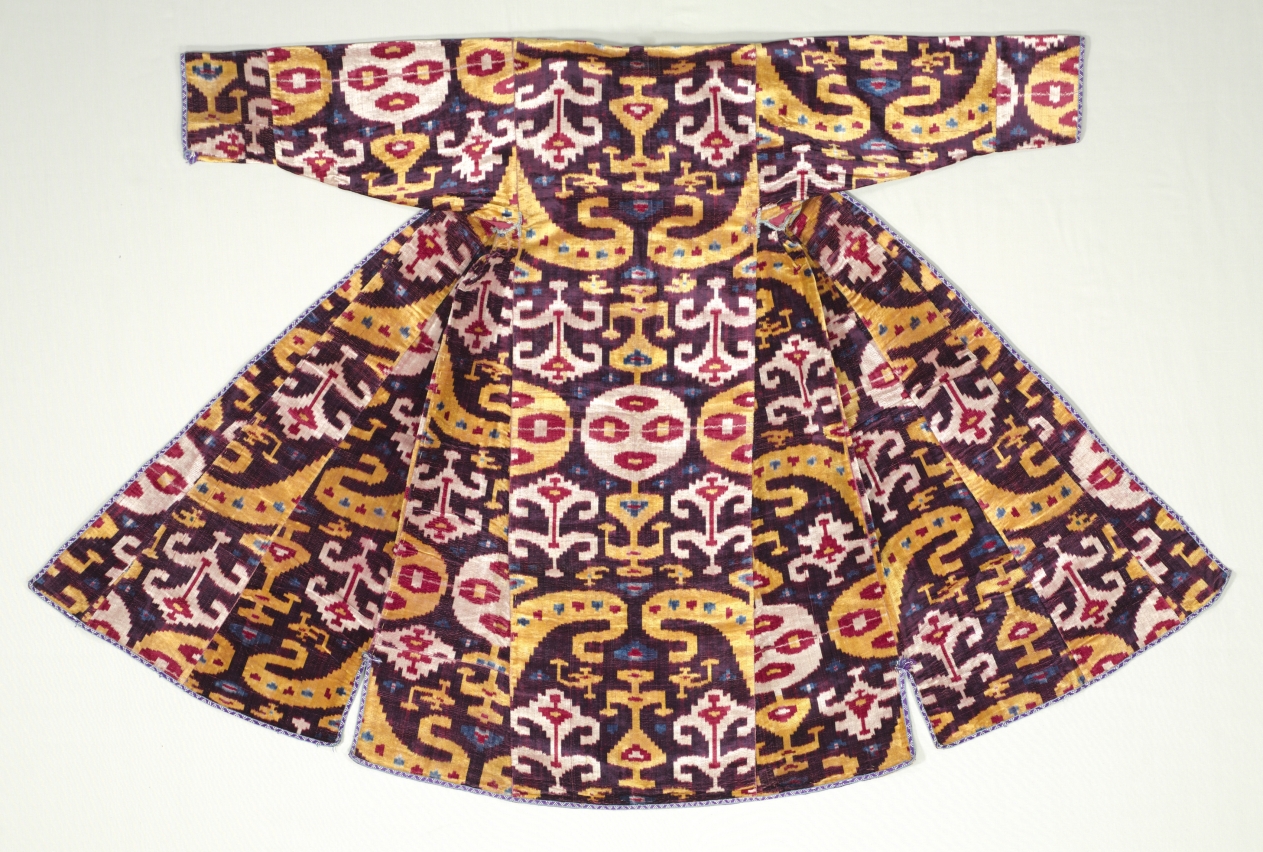
Cleveland Museum of Art

Art Institute of Chicago

Art Institute of Chicago

Art Institute of Chicago
Where to buy
1stDibsHigh-end antiques & design marketplaceBrowse listings →
LiveAuctioneersAggregated live auctions worldwideBrowse listings →
InvaluableAuction-house listings & price archiveBrowse listings →
Christie'sMajor-auction results & upcoming salesBrowse listings →
EtsyLiving artisans & vintage dealersBrowse listings →
eBayBroad secondary market — vet sellers carefullyBrowse listings →
Each link opens a live, image-rich search for this craft on that marketplace. Listings rotate constantly; authenticate significant pieces independently — attribution quality varies widely outside museum collections.