Decortype › Ceramics & Porcelain › Earthenware & Ancient Pottery
Egyptian faience
Egyptian faience is a sintered-quartz ceramic material from Ancient Egypt. The sintering process covered the material with a true vitreous coating as the quartz underwent vitrification, creating a bright lustre of various colours usually in a transparent blue or green isotropic glass. Its name in the Ancient Egyptian language was tjehenet, literally "the gleaming" or "the dazzling", and modern archeological terms for it include sintered quartz, glazed frit, and glazed composition. Wikipedia →
Types & examples
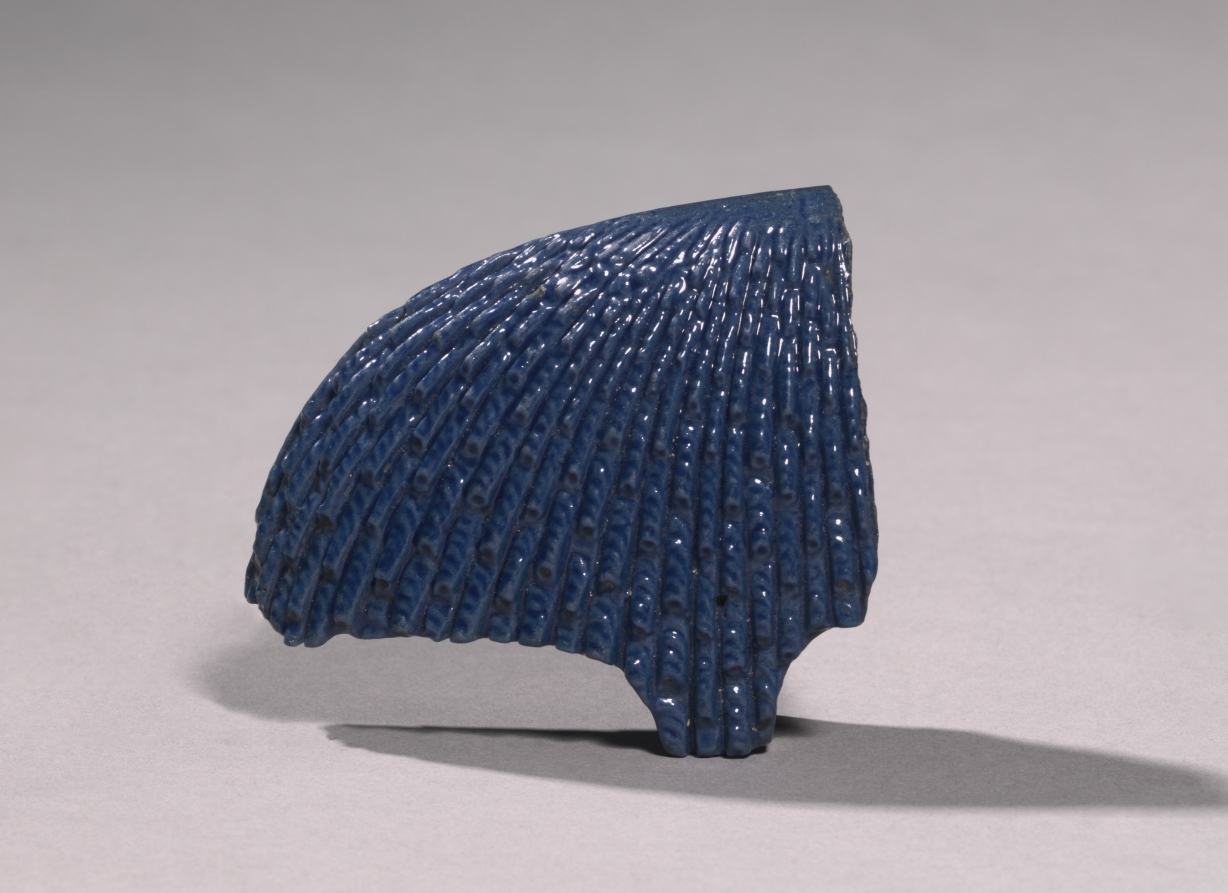
Cleveland Museum of Art
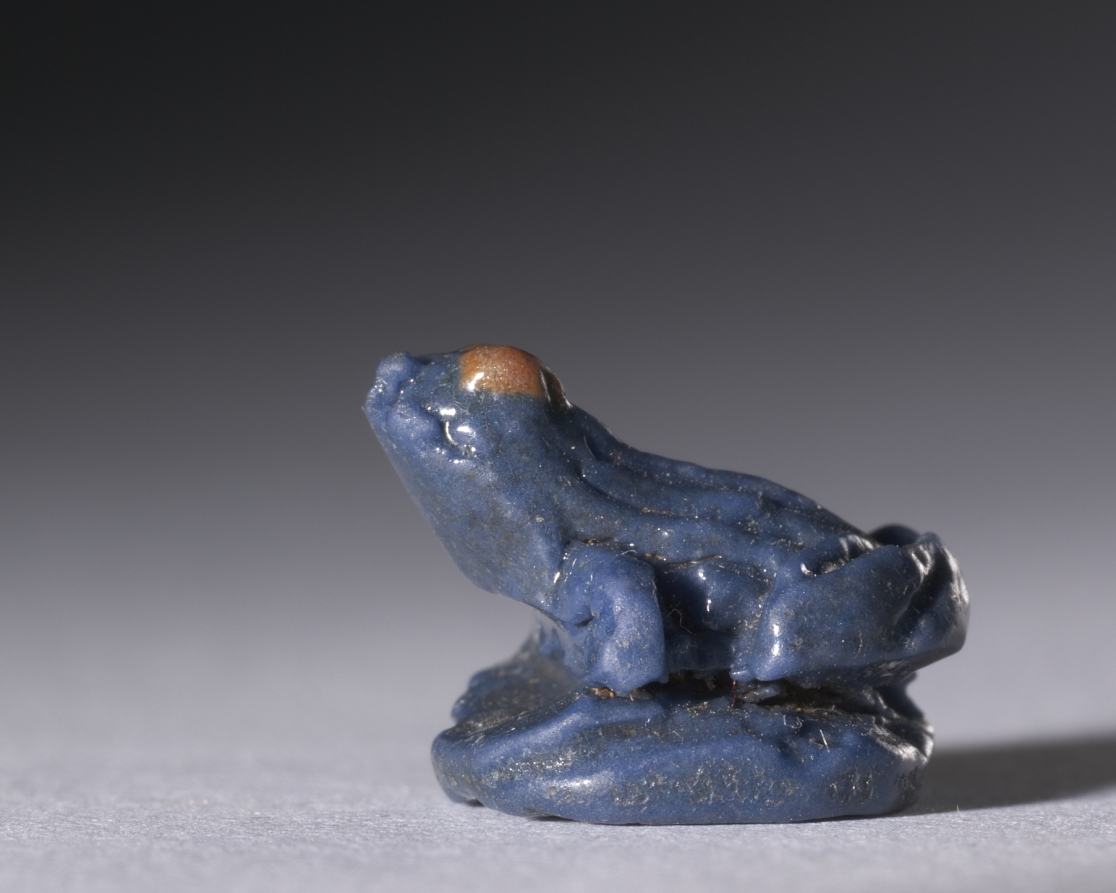
Cleveland Museum of Art
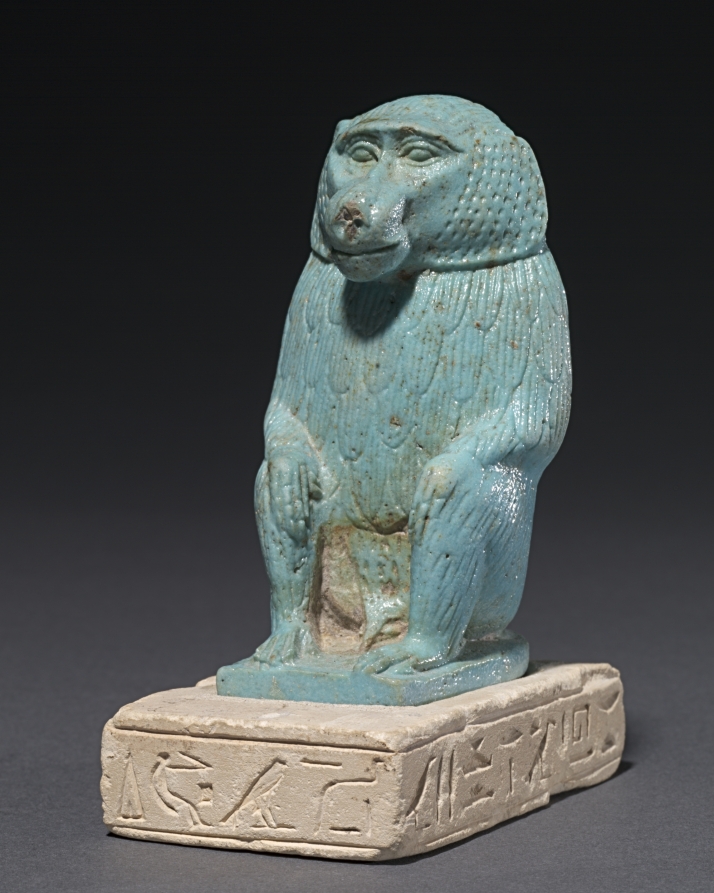
Cleveland Museum of Art
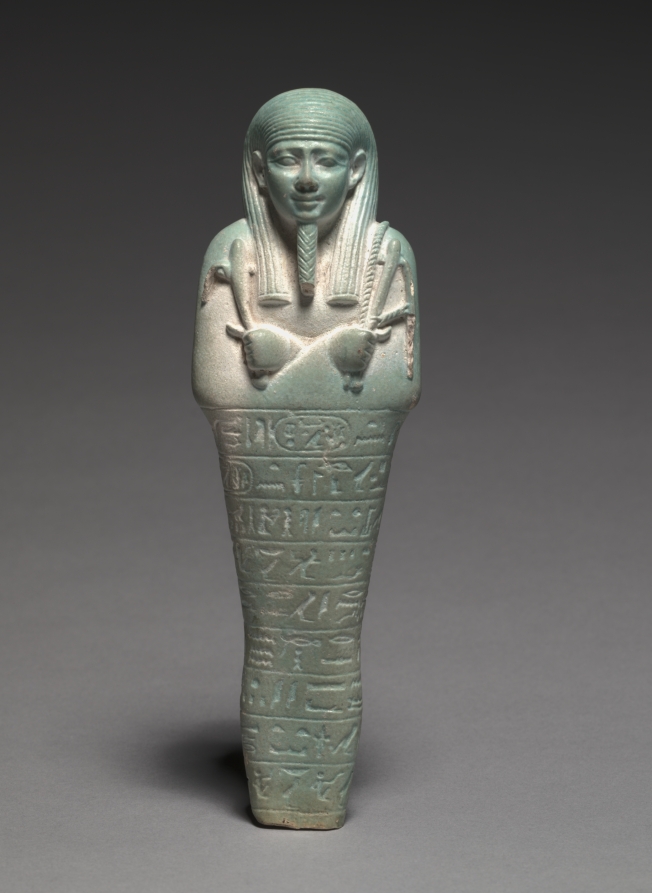
Cleveland Museum of Art
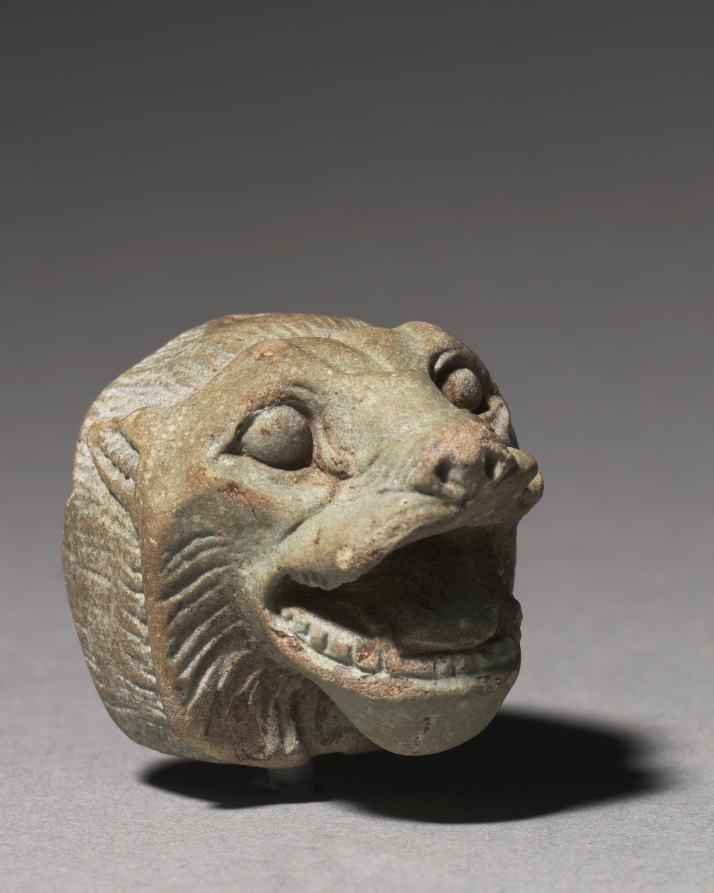
Cleveland Museum of Art
Where to buy
1stDibsHigh-end antiques & design marketplaceBrowse listings →
LiveAuctioneersAggregated live auctions worldwideBrowse listings →
InvaluableAuction-house listings & price archiveBrowse listings →
Christie'sMajor-auction results & upcoming salesBrowse listings →
EtsyLiving artisans & vintage dealersBrowse listings →
eBayBroad secondary market — vet sellers carefullyBrowse listings →
Each link opens a live, image-rich search for this craft on that marketplace. Listings rotate constantly; authenticate significant pieces independently — attribution quality varies widely outside museum collections.