Decortype › Ceramics & Porcelain › Porcelain
Kakiemon
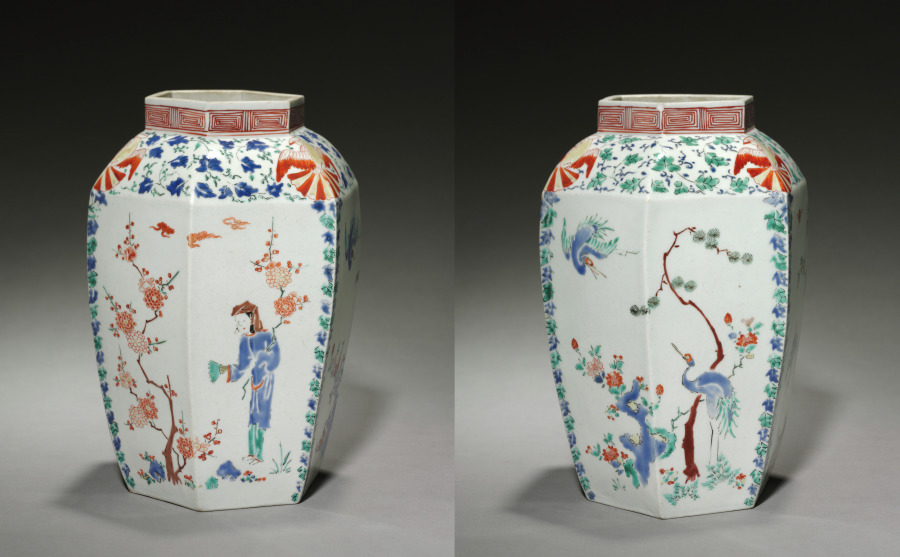
Kakiemon (Japanese: 柿右衛門様式, Hepburn: Kakiemon yōshiki) is a style of Japanese porcelain, with overglaze decoration called "enameled" ceramics. It was originally produced at the kilns around Arita, in Japan's Hizen province (today, Saga Prefecture) from the Edo period's mid-17th century onwards. The quality of its decoration was highly prized in the West and widely imitated by major European porcelain manufacturers during the Rococo period. Wikipedia →
Types & examples
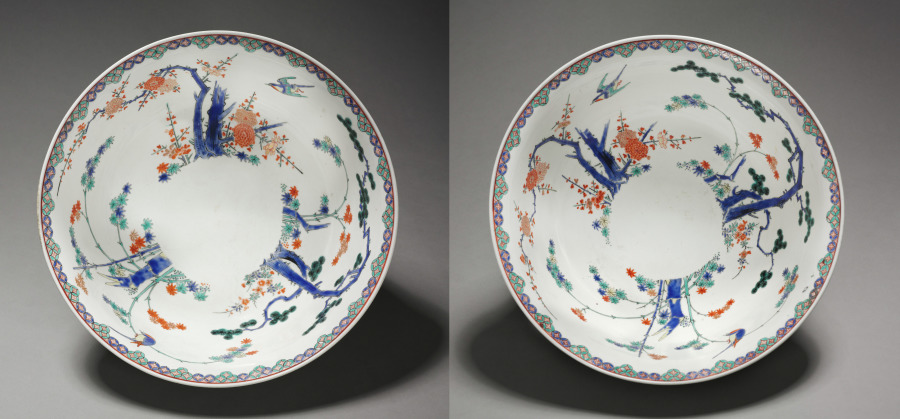
Cleveland Museum of Art
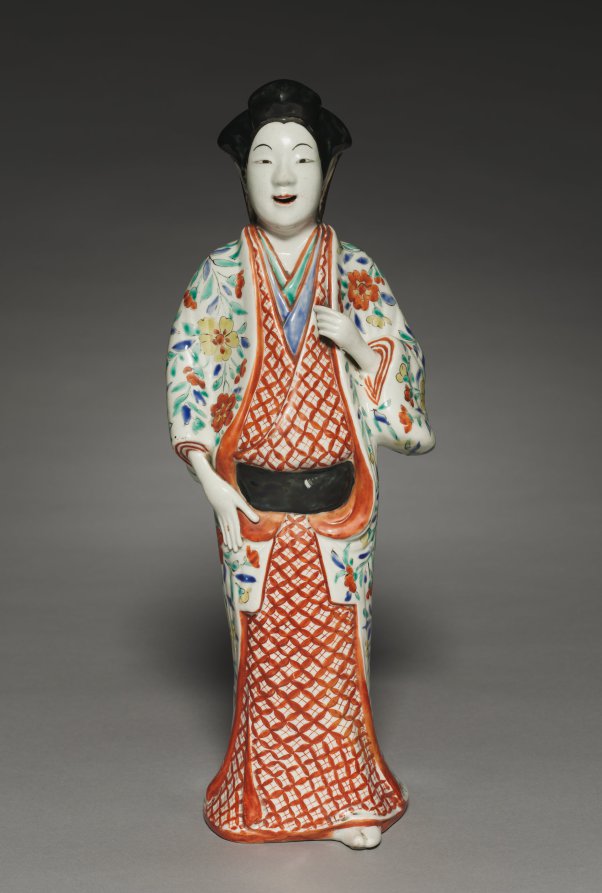
Cleveland Museum of Art
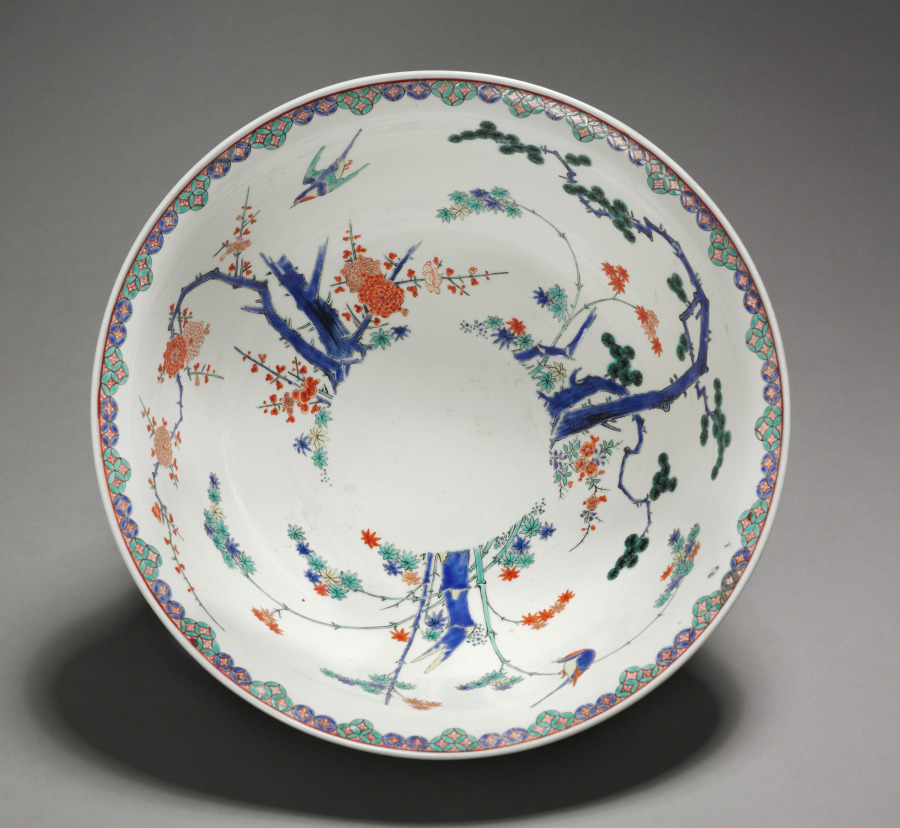
Cleveland Museum of Art
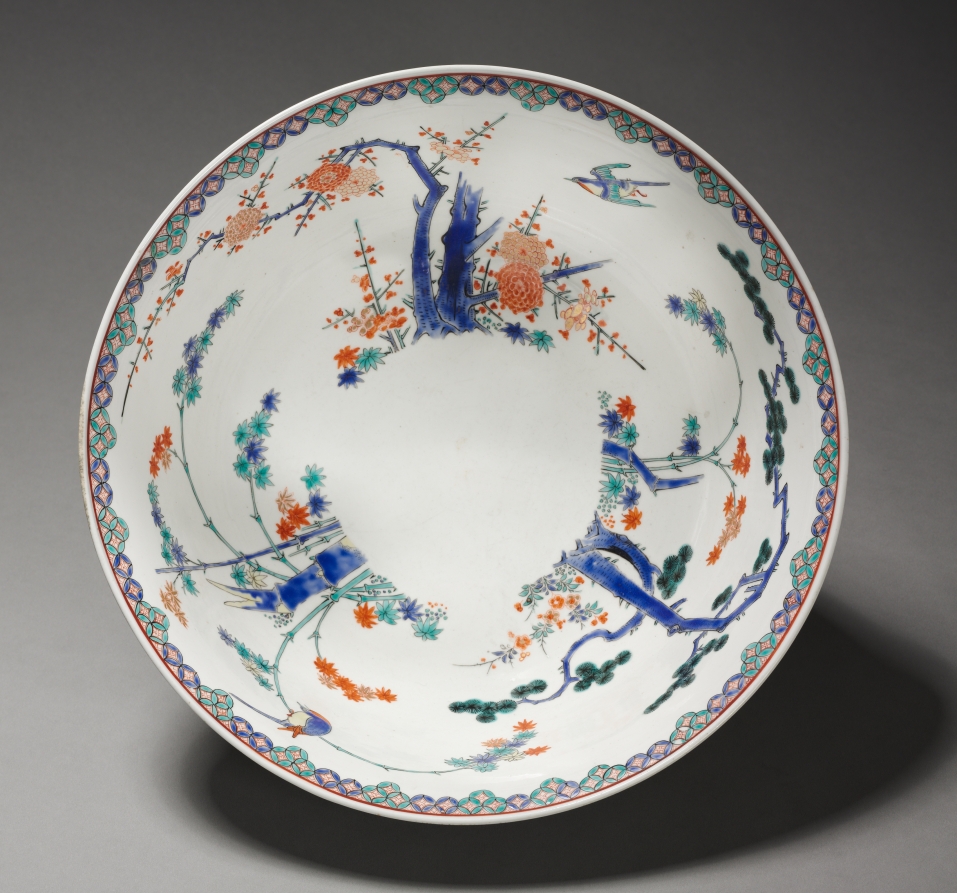
Cleveland Museum of Art
Cleveland Museum of Art
Where to buy
1stDibsHigh-end antiques & design marketplaceBrowse listings →
LiveAuctioneersAggregated live auctions worldwideBrowse listings →
InvaluableAuction-house listings & price archiveBrowse listings →
Christie'sMajor-auction results & upcoming salesBrowse listings →
EtsyLiving artisans & vintage dealersBrowse listings →
eBayBroad secondary market — vet sellers carefullyBrowse listings →
Each link opens a live, image-rich search for this craft on that marketplace. Listings rotate constantly; authenticate significant pieces independently — attribution quality varies widely outside museum collections.