Decortype › Textiles & Embroidery › Silk & Brocade Weaving
Kesi
Kesi (simplified Chinese: 缂丝; traditional Chinese: 緙絲; pinyin: kèsī) is a technique in Chinese silk tapestry. It is admired for its lightness and clarity of pattern. At first, this technique was chiefly used to protect scrolls containing paintings. Wikipedia →
Types & examples
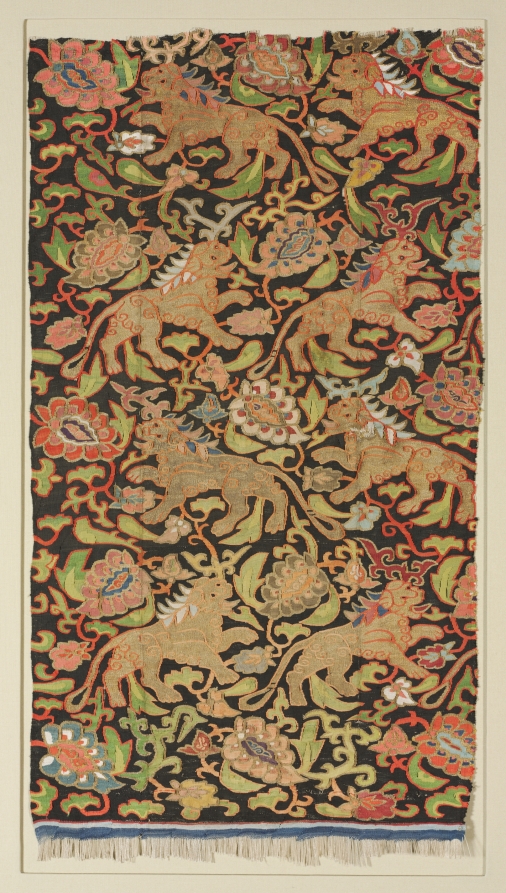
Cleveland Museum of Art
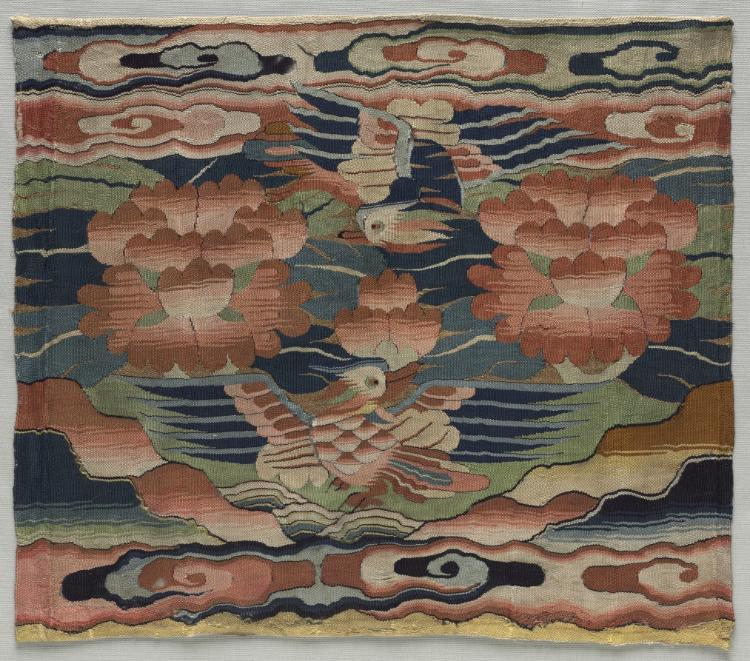
Cleveland Museum of Art
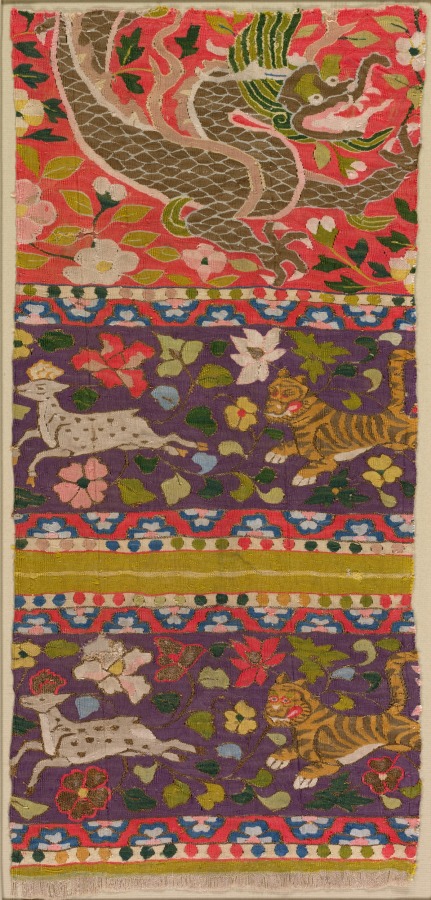
Cleveland Museum of Art
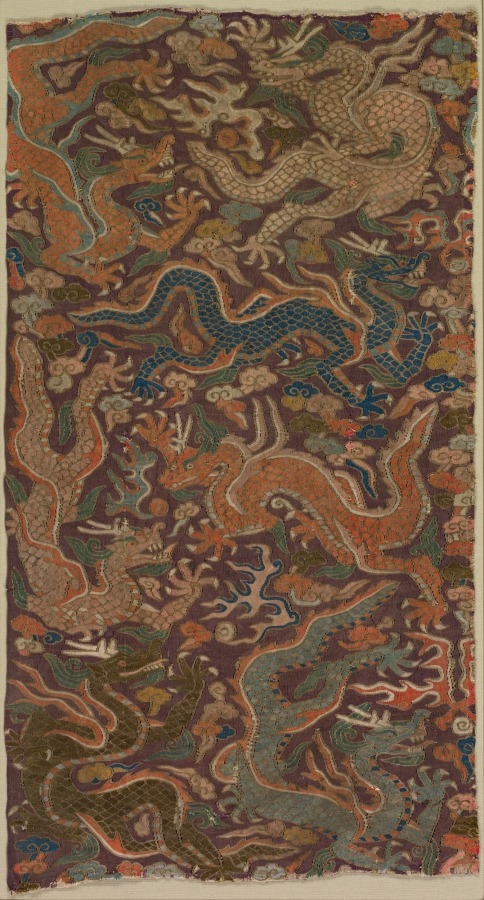
Cleveland Museum of Art

Cleveland Museum of Art
Where to buy
1stDibsHigh-end antiques & design marketplaceBrowse listings →
LiveAuctioneersAggregated live auctions worldwideBrowse listings →
InvaluableAuction-house listings & price archiveBrowse listings →
Christie'sMajor-auction results & upcoming salesBrowse listings →
EtsyLiving artisans & vintage dealersBrowse listings →
eBayBroad secondary market — vet sellers carefullyBrowse listings →
Each link opens a live, image-rich search for this craft on that marketplace. Listings rotate constantly; authenticate significant pieces independently — attribution quality varies widely outside museum collections.