Meissen porcelain
Porcelain (), also called china, is a ceramic material made by heating raw materials, generally including kaolinite, in a kiln to temperatures between 1,200 and 1,400 °C (2,200 and 2,600 °F). The greater strength and translucence of porcelain, relative to other types of pottery, arise mainly from vitrification and the formation of the mineral mullite within the body at these high temperatures. End applications include tableware, decorative ware such as figurines, and products in technology and industry such as electrical insulators and laboratory ware. Wikipedia →
Types & examples
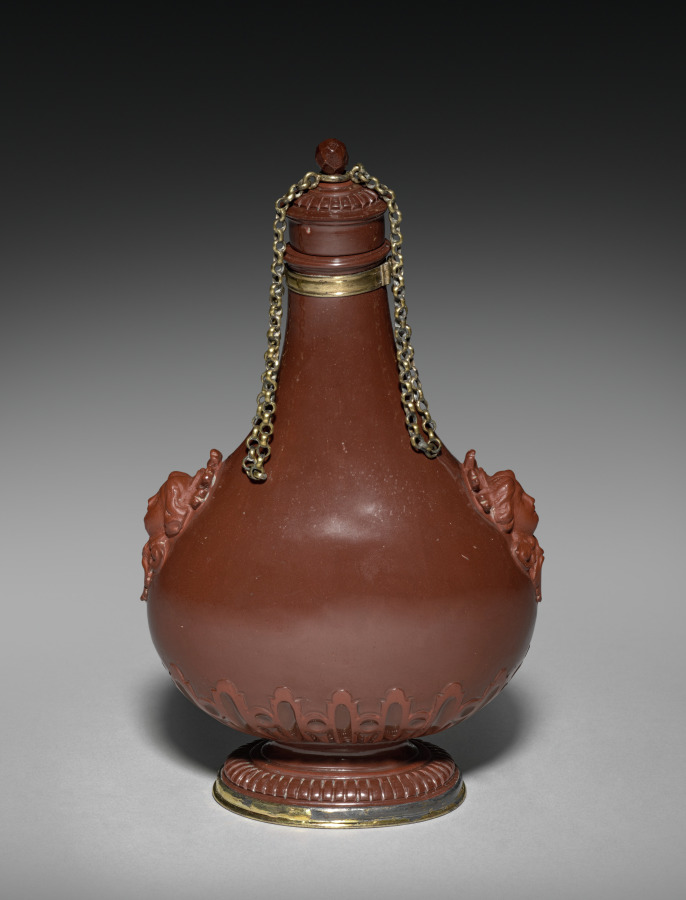
Cleveland Museum of Art
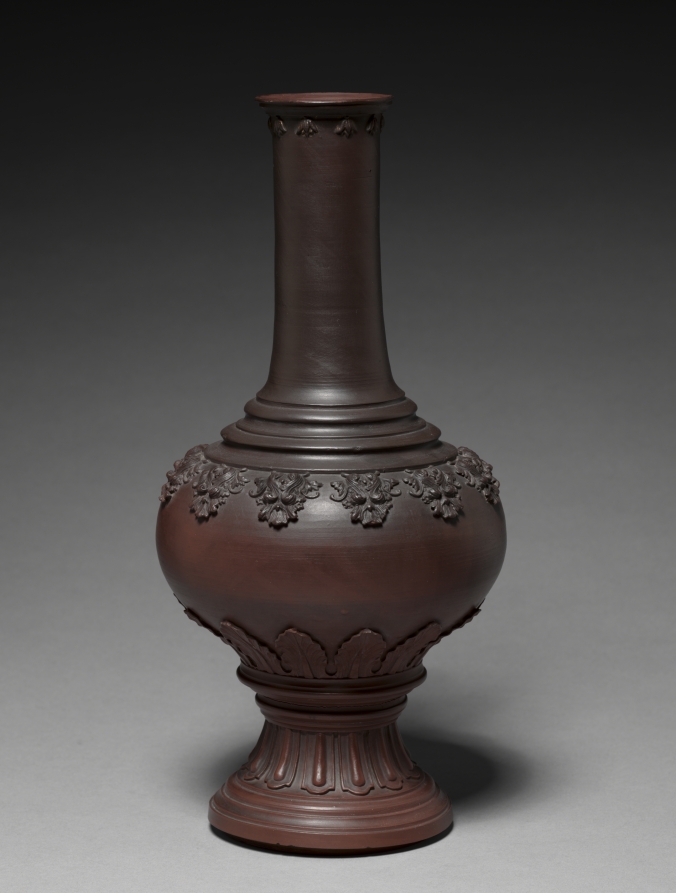
Cleveland Museum of Art
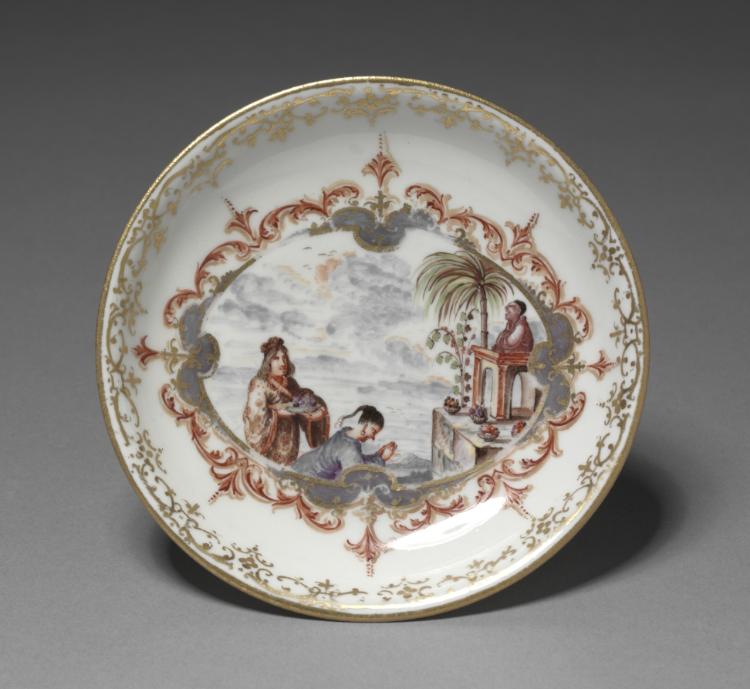
Cleveland Museum of Art
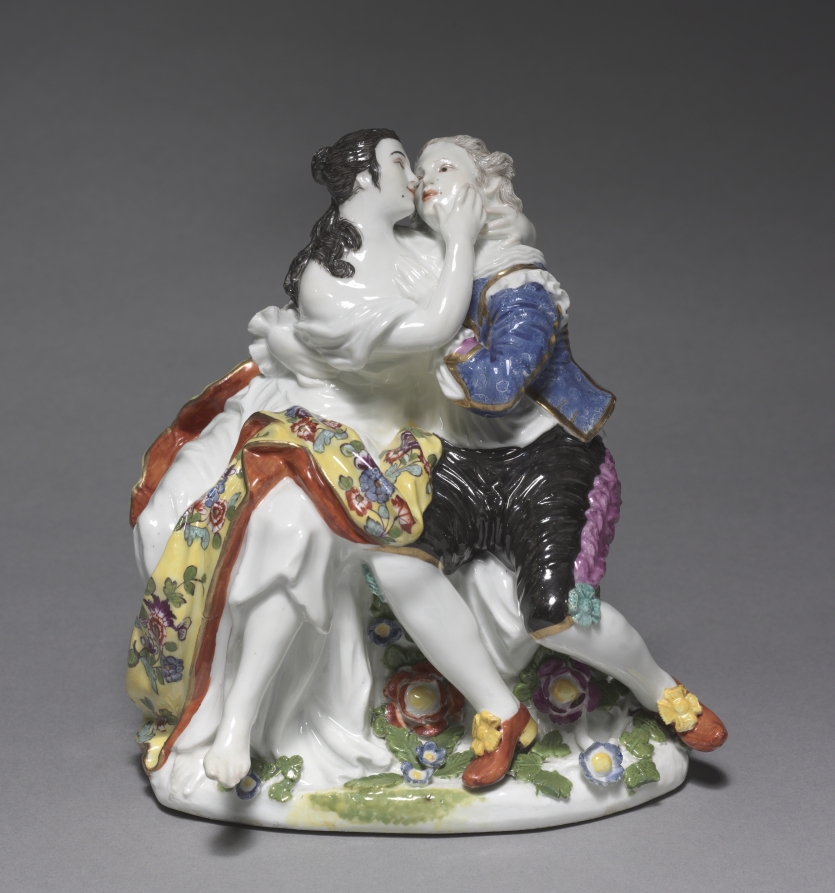
Cleveland Museum of Art
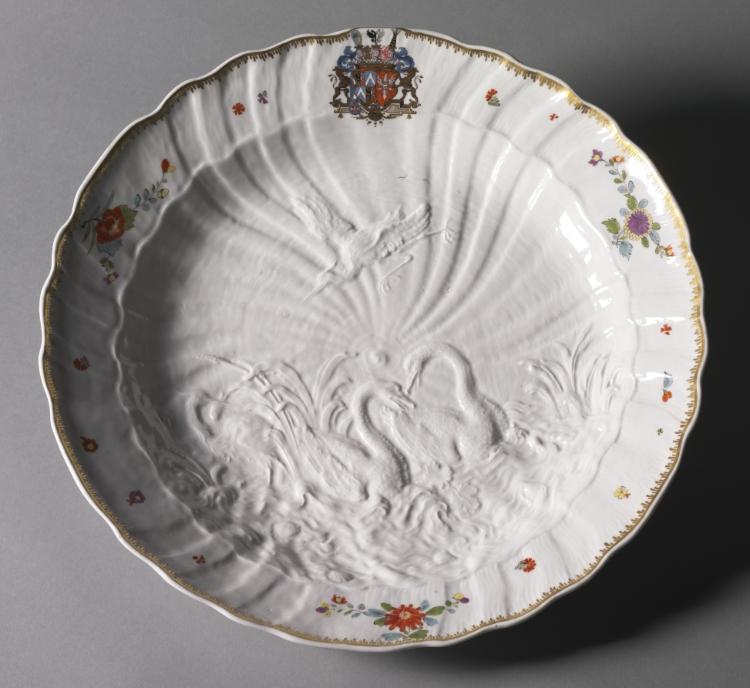
Cleveland Museum of Art
Where to buy
Each link opens a live, image-rich search for this craft on that marketplace. Listings rotate constantly; authenticate significant pieces independently — attribution quality varies widely outside museum collections.