Mughal jade & parchin kari
Pietra dura (Italian: [ˈpjɛːtra ˈduːra]), pietre dure ([ˈpjɛːtre ˈduːre]) or intarsia lapidary (see below), called parchin kari or parchinkari (Persian: پرچین کاری) in the Indian subcontinent, is a term for the inlay technique of using cut and fitted, highly polished colored stones to create images. It is considered a decorative art. The stonework, after the work is assembled loosely, is glued stone-by-stone to a substrate after having previously been "sliced and cut in different shape sections, and then assembled together so precisely that the contact between each section was practically invi Wikipedia →
Types & examples
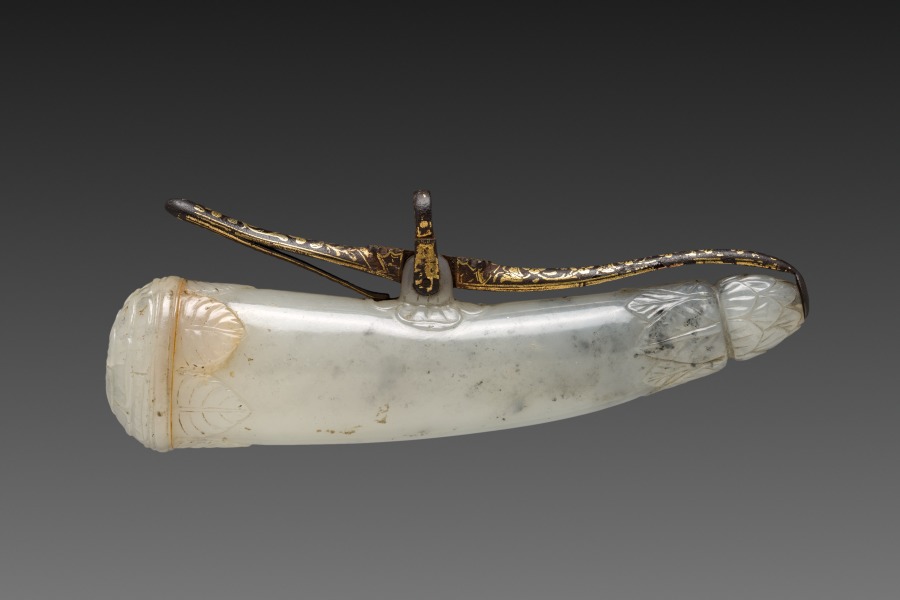
Cleveland Museum of Art
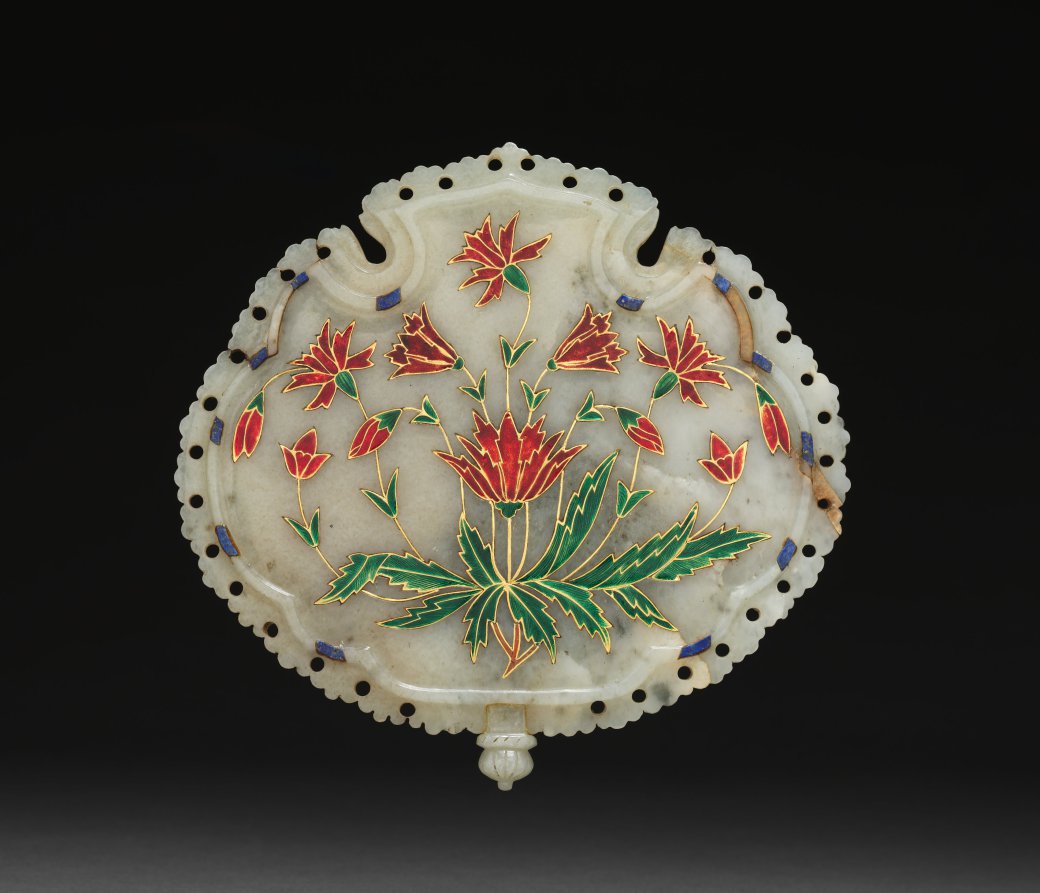
Cleveland Museum of Art

Art Institute of Chicago

Art Institute of Chicago
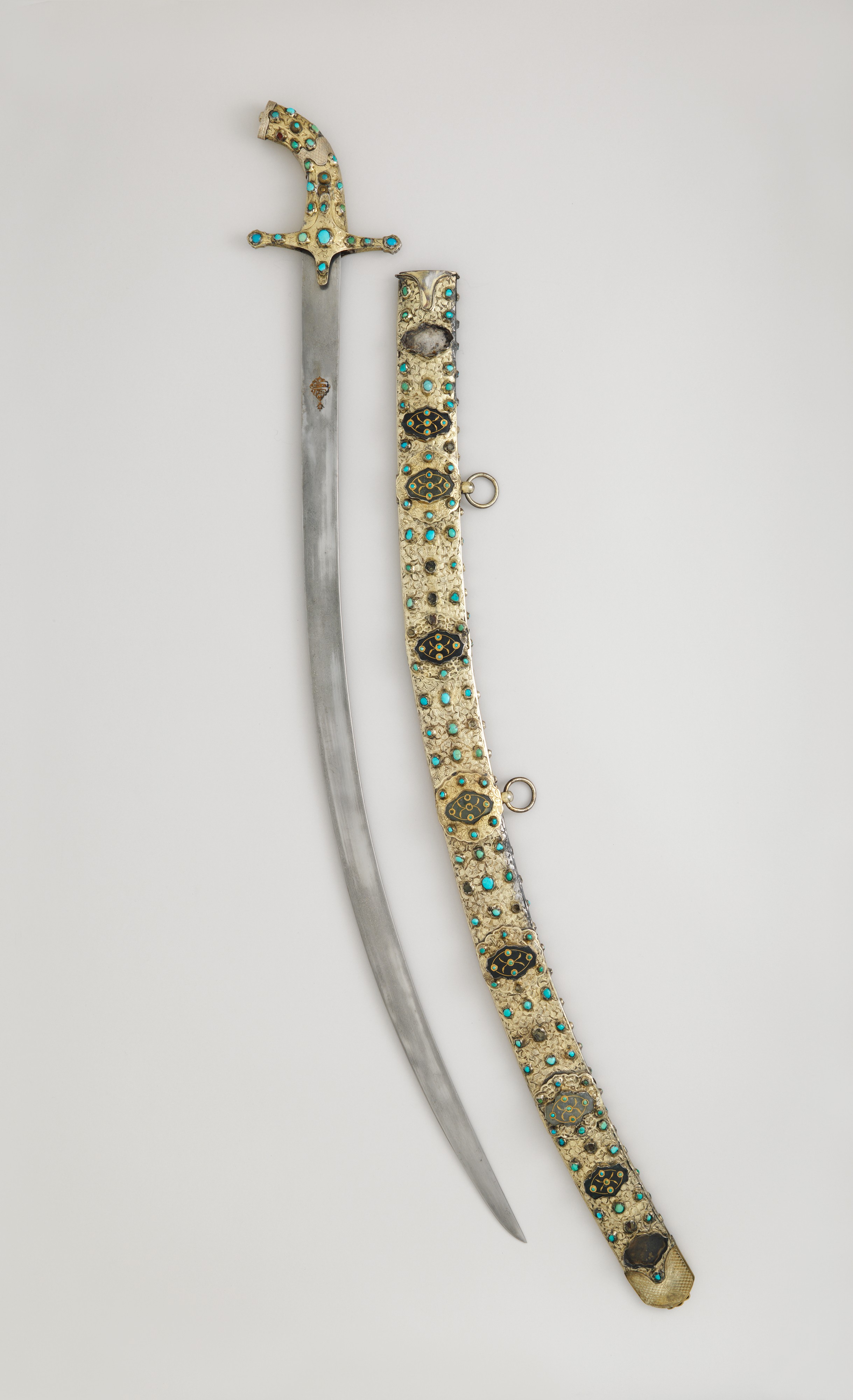
The Met
Where to buy
Each link opens a live, image-rich search for this craft on that marketplace. Listings rotate constantly; authenticate significant pieces independently — attribution quality varies widely outside museum collections.