Decortype › Ceramics & Porcelain › Stoneware & Tea Ceramics
Raku ware
Raku ware (楽焼, raku-yaki) is a type of Japanese pottery traditionally used in Japanese tea ceremonies, most often in the form of chawan tea bowls. It is traditionally characterised by hand-shaping techniques, a high degree of porosity in the finished product (the result of low firing temperatures), lead glazes, and the removal of pieces from the kiln while still glowing hot. In the traditional Japanese process, the fired raku piece is removed from the hot kiln and is allowed to cool in the open air. Wikipedia →
Types & examples

Art Institute of Chicago

Art Institute of Chicago

Art Institute of Chicago
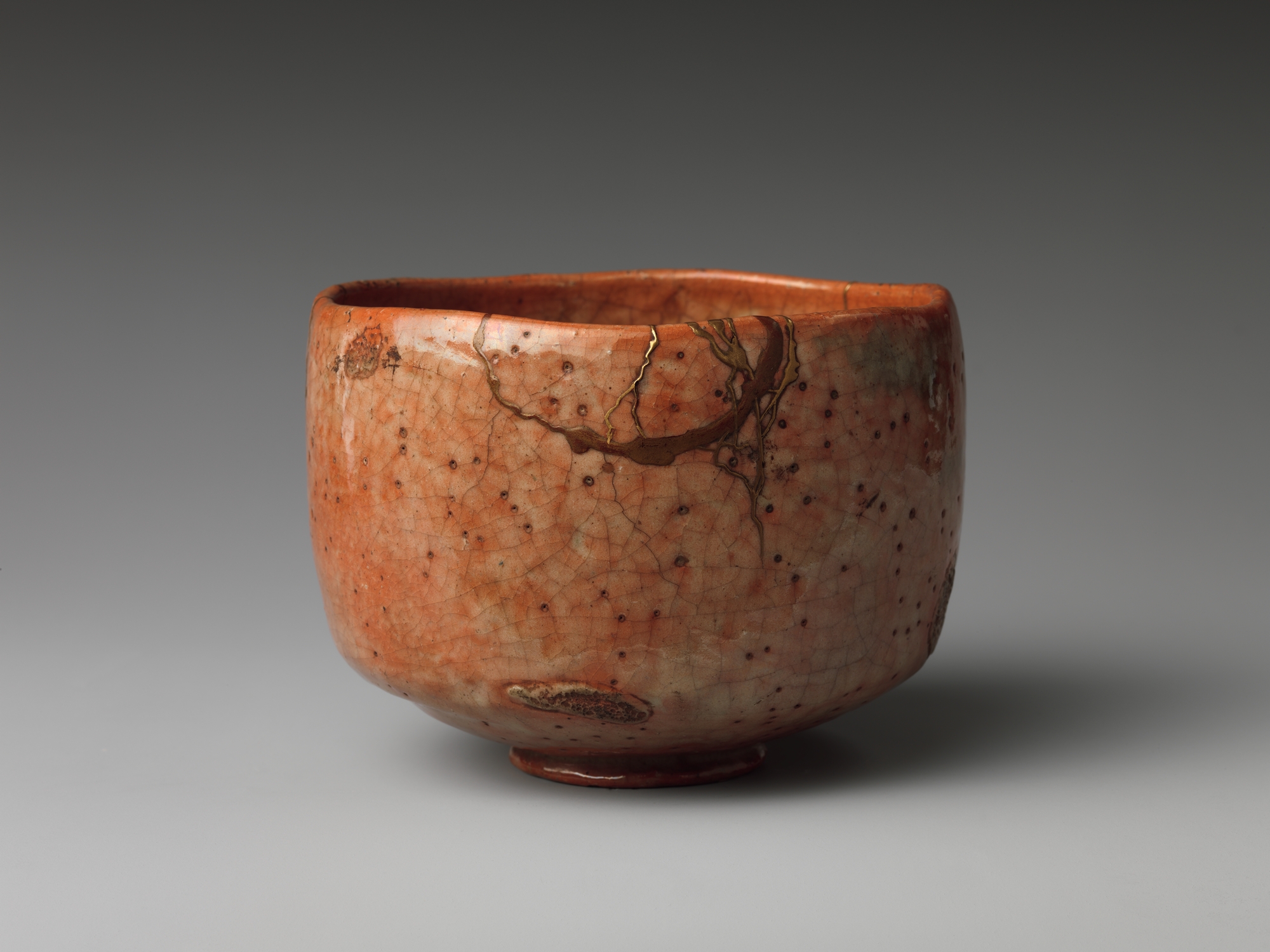
The Met
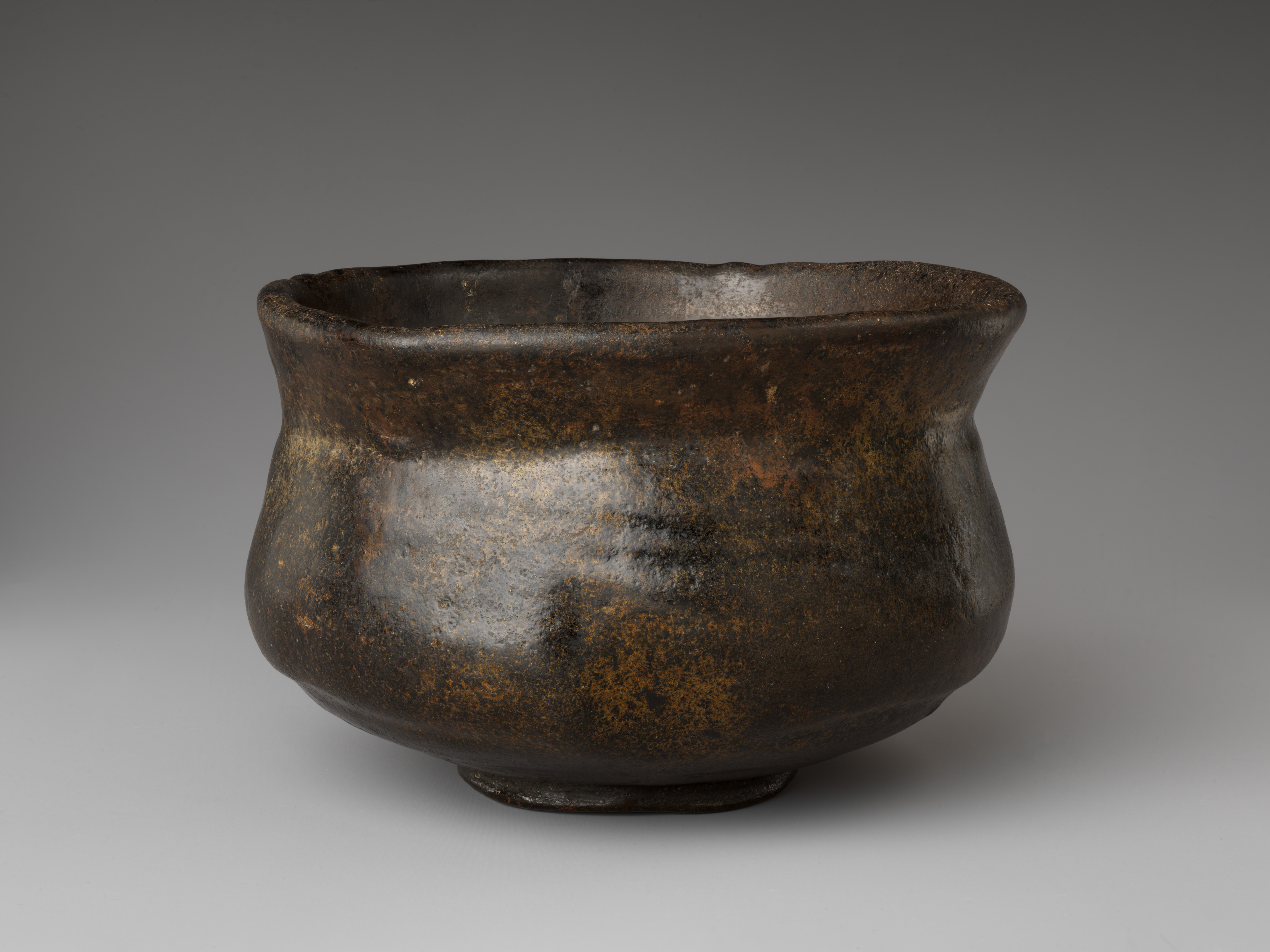
The Met
Where to buy
1stDibsHigh-end antiques & design marketplaceBrowse listings →
LiveAuctioneersAggregated live auctions worldwideBrowse listings →
InvaluableAuction-house listings & price archiveBrowse listings →
Christie'sMajor-auction results & upcoming salesBrowse listings →
EtsyLiving artisans & vintage dealersBrowse listings →
eBayBroad secondary market — vet sellers carefullyBrowse listings →
Each link opens a live, image-rich search for this craft on that marketplace. Listings rotate constantly; authenticate significant pieces independently — attribution quality varies widely outside museum collections.