Tibetan gilt bronzes
The vast majority of surviving Tibetan art created before the mid-20th century is religious, with the main forms being thangka, paintings on cloth, mostly in a technique described as gouache or distemper, Tibetan Buddhist wall paintings, and small statues in bronze, or large ones in clay, stucco or wood. They were commissioned by religious establishments or by pious individuals for use within the practice of Tibetan Buddhism and were manufactured in large workshops by monks and lay artists, who are mostly unknown. Various types of religious objects, such as the phurba or ritual dagger, are fi Wikipedia →
Types & examples
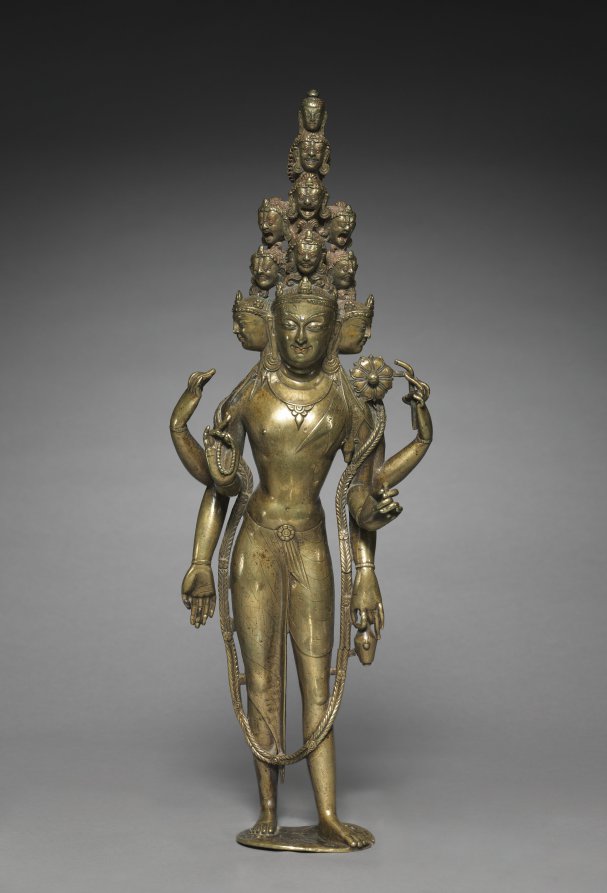
Cleveland Museum of Art
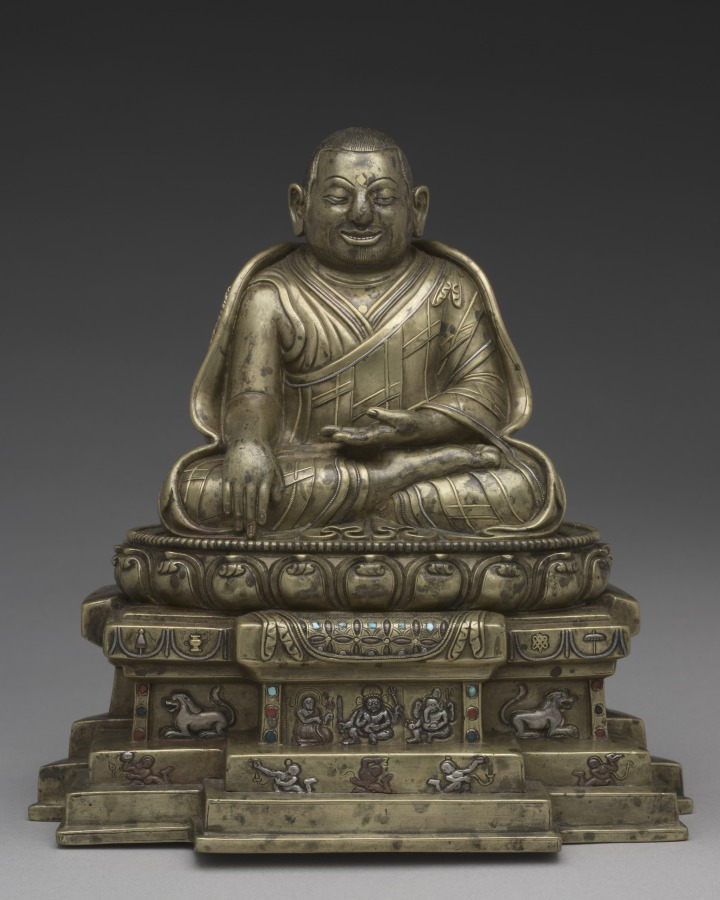
Cleveland Museum of Art
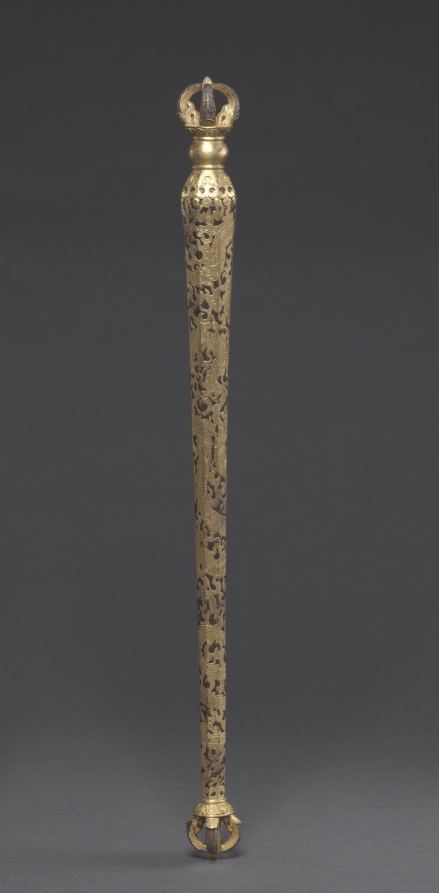
Cleveland Museum of Art
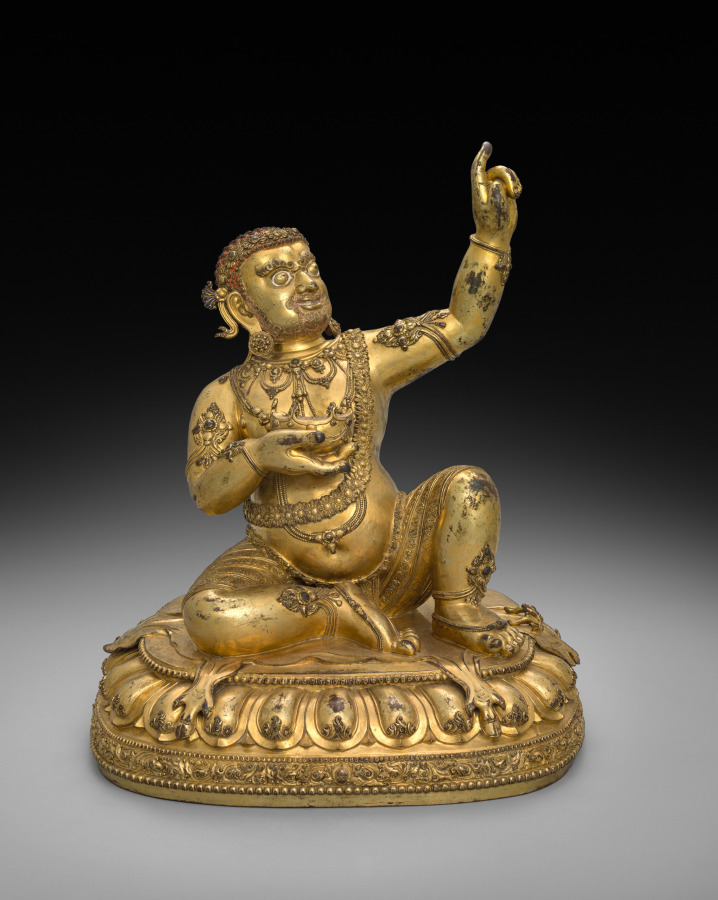
Cleveland Museum of Art
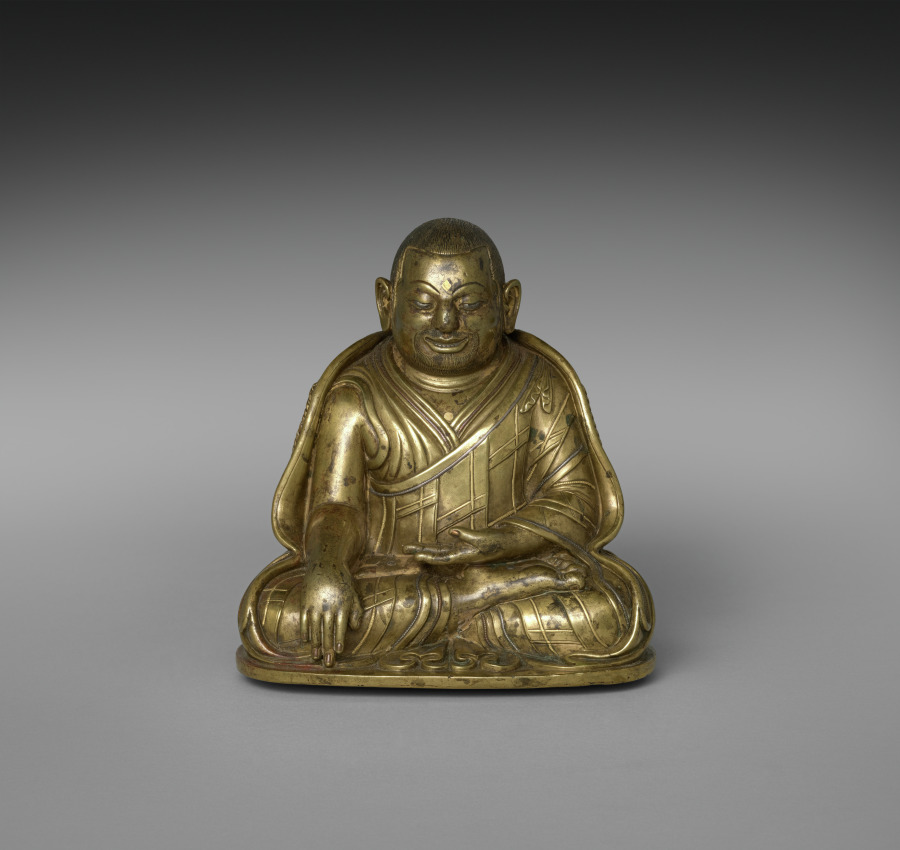
Cleveland Museum of Art
Where to buy
Each link opens a live, image-rich search for this craft on that marketplace. Listings rotate constantly; authenticate significant pieces independently — attribution quality varies widely outside museum collections.