Yūzen / kosode
Yūzen (友禅) is a Japanese resist dyeing technique where dyes are applied inside outlines of dyed or undyed rice-paste resist, which may be drawn freehand or stencilled; the paste keeps the dye areas separated. Originating in the 17th century, the technique became popular as both a way of subverting sumptuary laws on dress fabrics, and also as a way to quickly produce kimono that appeared to be painted freehand with dyes. The technique was named after Miyazaki Yūzen (宮崎友禅), a 17th century fan painter who perfected the technique. Wikipedia →
Types & examples
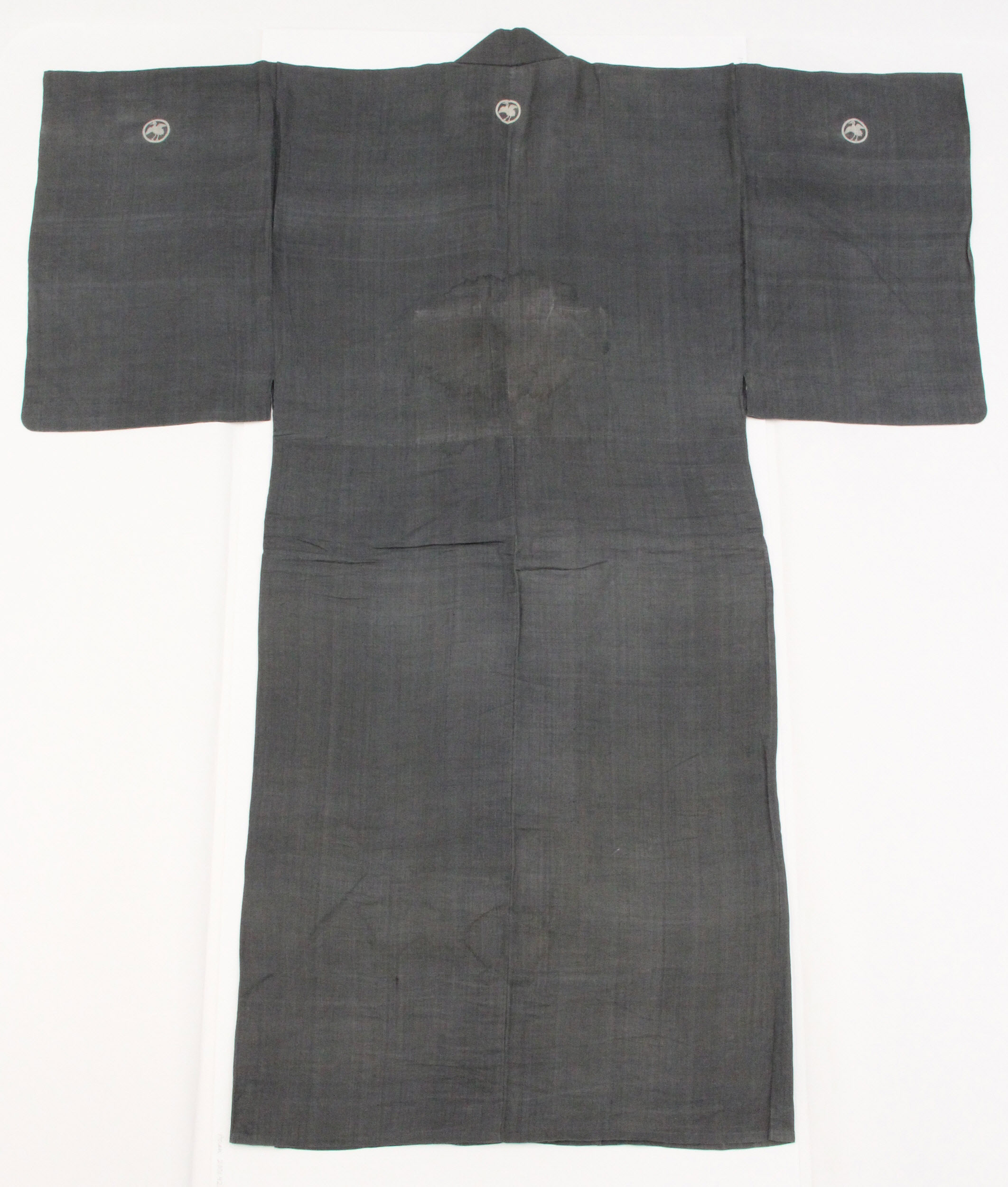
The Met

Art Institute of Chicago

Art Institute of Chicago

Art Institute of Chicago

Art Institute of Chicago
Where to buy
Each link opens a live, image-rich search for this craft on that marketplace. Listings rotate constantly; authenticate significant pieces independently — attribution quality varies widely outside museum collections.